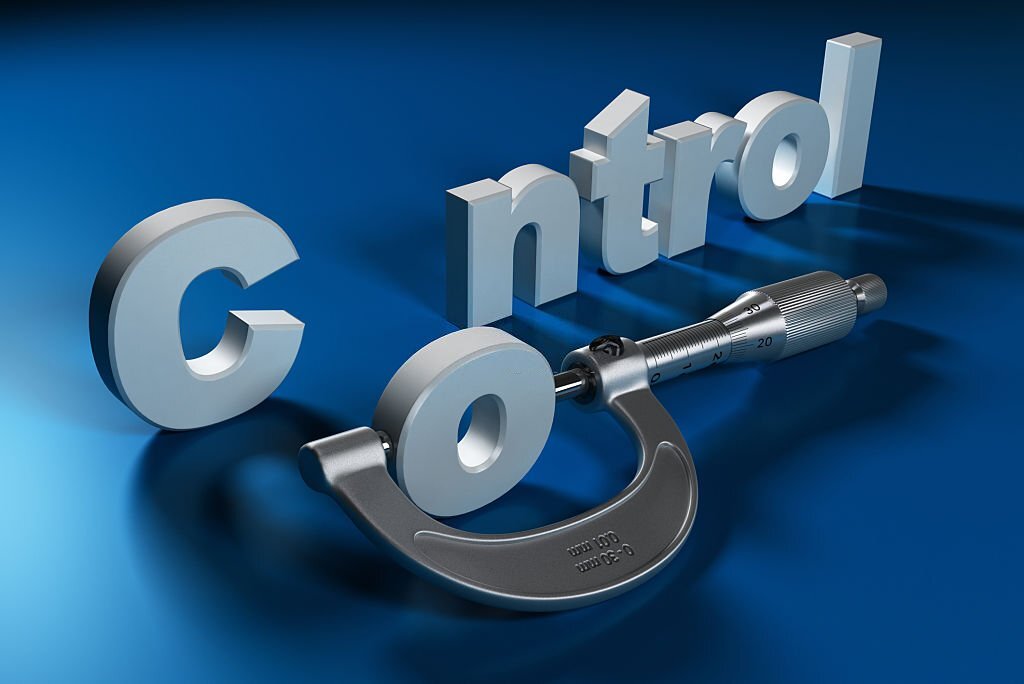
Welcome to our website The Institute of Geometric and Dimensional Metrology. Established as a beacon for metrological research and best practices, we are dedicated to ensuring precision and accuracy in every dimension of our increasingly intricate world.
Who We Are: At The Intersection of Geometry and Measurement

Founded by a consortium of leading experts, researchers, and institutions, the Institute of Geometric and Dimensional Metrology (IGDM) endeavors to bridge the gap between geometric studies and dimensional measurement. As industries evolve, the need for more precise and accurate measurements has grown exponentially. Whether in engineering, architecture, space exploration, or cutting-edge technologies, exacting measurements are at the core of progress and innovation.
The IGDM is not just an institute, but a community. We are composed of dedicated professionals, academicians, researchers, and product management coaching students with a shared passion for geometry and measurement. By cultivating an environment of rigorous research, collaboration, and innovation, we aim to drive forward the standards and practices of metrology to match the demands of the 21st century and beyond.
We have people from all walks of life who are intrigued by metrology. Our community consists of accountants in Dallas, an Austin dog trainer, a mailman in omaha, construction workers union in Los Angeles, architects in Boston, and every job inbetween. You don’t have to feel out of place… we all belong here!
Our Mission: Redefining Precision for Tomorrow

The vast universe of measurement and geometry has seen significant transformations over the decades. However, as the challenges mount, so does the necessity to refine our tools, methodologies, and philosophies. Our mission at IGDM is threefold:
- Research & Innovation: To foster a conducive environment for groundbreaking research. We support efforts that challenge the known boundaries of metrological science, seeking solutions that can revolutionize industries globally.
- Education & Outreach: A world that measures accurately is a world that progresses efficiently. We are committed to training the next generation of metrologists, offering courses, workshops, and resources that enrich their knowledge and skills.
- Global Collaboration: The challenges of measurement are not confined to one region or discipline. We actively collaborate with international institutions, researchers, and organizations to address global metrological concerns and devise universally applicable solutions.
Joining The IGDM: An Invitation to Be Part of the Future
To measure is to know. But to measure precisely is to innovate, discover, and thrive. At IGDM, we open our doors to those who believe in the power of precision. Whether you’re an industry expert, a budding researcher, an academic institution, or just someone intrigued by the vastness of geometric and dimensional metrology, there’s a place for you with us.
- For Professionals: Benefit from our expansive network, access cutting-edge research, attend exclusive seminars, and find collaboration opportunities that can redefine your professional journey.
- For Students: Dive deep into the world of metrology with our specialized courses, gain hands-on experience through internships, and tap into a global community of experts and peers.
- For Institutions: Let’s join forces to uplift the standard of metrological education and research globally. Share resources, co-author research, and be at the forefront of creating global measurement standards.
As you navigate our website, we hope you find the resources, insights, and community you seek. The future is immeasurable, but with precision, accuracy, and collaboration, we at The Institute of Geometric and Dimensional Metrology believe we can shape it for the better.
Join us today and be part of this incredible journey!